High-Level Segment | 61th Human Rights Council

I wish to begin by commending the Human Rights Council for its work and the importance of this High-Level Segment, which allows member states to reiterate their political commitment to the promotion and protection of human rights around the world.
Rwanda underscores the persistent denial of the right to live in dignity, which continues to afflict millions worldwide, particularly in conflict-affected regions of our continent.
For decades, our region has suffered from ethnic extremism and genocide ideology. Today, these dangerous forces are again visible in Eastern DRC, where ethnic violence continues to threaten vulnerable communities.
In North and South Kivu, Congolese Tutsi communities, including the Banyamulenge, are systematically targeted, discriminated against, and subjected to killings by Kinshasa-backed militias, as well as by the Congolese army.
Entire villages have been attacked through airstrikes and attack drones, homes burned down and destroyed, and families displaced in campaigns clearly designed to force these communities from their ancestral lands.
In South Kivu, Banyamulenge communities have been driven into remote areas where access to markets, schools, grazing land, and medical services is severely restricted.
Up to 150,000 people have been displaced over the past decade. In North Kivu, populations live in constant fear of Kinshasa-backed militias promoting radical anti-Tutsi ideology. Such acts are not random violence; they are calibrated intimidation aimed at demographic erasure.
Rwanda has repeatedly warned this Council about escalating hate speech and persecution of the Congolese Tutsi. Regrettably, the absence of clear condemnation has emboldened the DRC Government and its militias spreading ethnic incitement.
In December 2025, the spokesperson of the Armed Forces of DRC, Major-General Sylvain Ekenge, delivered a statement on national television qualifying Congolese Tutsi women as “evil” and warning his male compatriots to never marry them.
This was not an isolated slip; it was premeditated, public, and broadcast nationally. It constitutes institutionalized hate speech.
Major-General Ekenge was suspended only after these remarks provoked outrage, but he was never prosecuted. Such rhetoric dehumanizes an entire community and places women in particular danger. History demonstrates that when such narratives are normalized, violence soon follows. And violence did follow.
Rwanda speaks from its painful experience. We know the cost of ignoring genocide ideology when it is openly articulated. We know the cost of turning a blind eye to genocidal acts when they are unfolding.
On the ground, the consequences are evident. In Minembwe and surrounding territories, villages inhabited by Banyamulenge have been bombed and blockaded. Supply routes have been cut, markets closed, and access to humanitarian assistance obstructed.
Communities have been left isolated, deprived of food, medicine, and basic services. The deliberate starvation and isolation of civilians because of their ethnicity is a grave violation of international humanitarian law.
It is equally troubling that humanitarian access itself has become politicized. On the diktat of Kinshasa, attempts are being made to impose a single, politically controlled channel for the delivery of assistance, while dismissing or obstructing other viable and neutral options. Humanitarian aid must never be hijacked to serve political agendas.
Furthermore, UN fact-finding efforts that fail to clearly identify incitement to ethnic hatred risk enabling further abuses. When investigations rely on selective testimony or avoid confronting genocide ideology directly, they undermine both credibility and prevention.
Rwanda therefore calls upon the Human Rights Council to speak unequivocally against hate speech propagated by DRC representatives, to demand accountability for incitement to ethnic discrimination and persecution, and to ensure that humanitarian access is guided solely by neutrality, impartiality, and urgency.
I will conclude, by recalling that every person, regardless of ethnicity or origin, is entitled to dignity, security, and protection.
The credibility of this Council depends on its willingness to defend these principles impartially, consistently and without fear from the perpetrating Regimes.
I thank you for your attention.
Topics
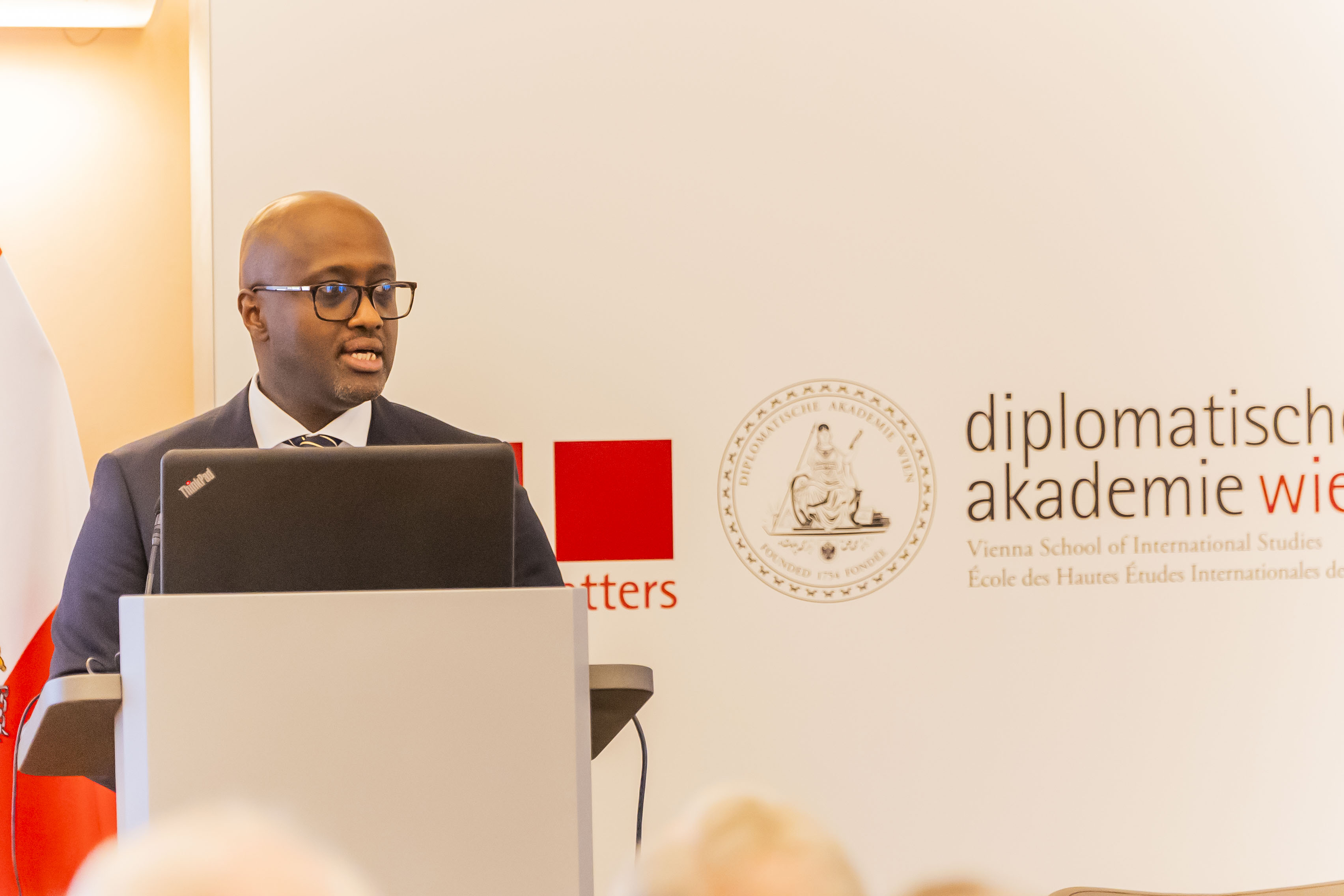
International Conference | Learning from the Past, Shaping the Future: Remembrance, Reconciliation and Reintegration - the 1994 Genocide against the Tutsi in Rwanda - Opening remarks by Minister Nduhungirehe
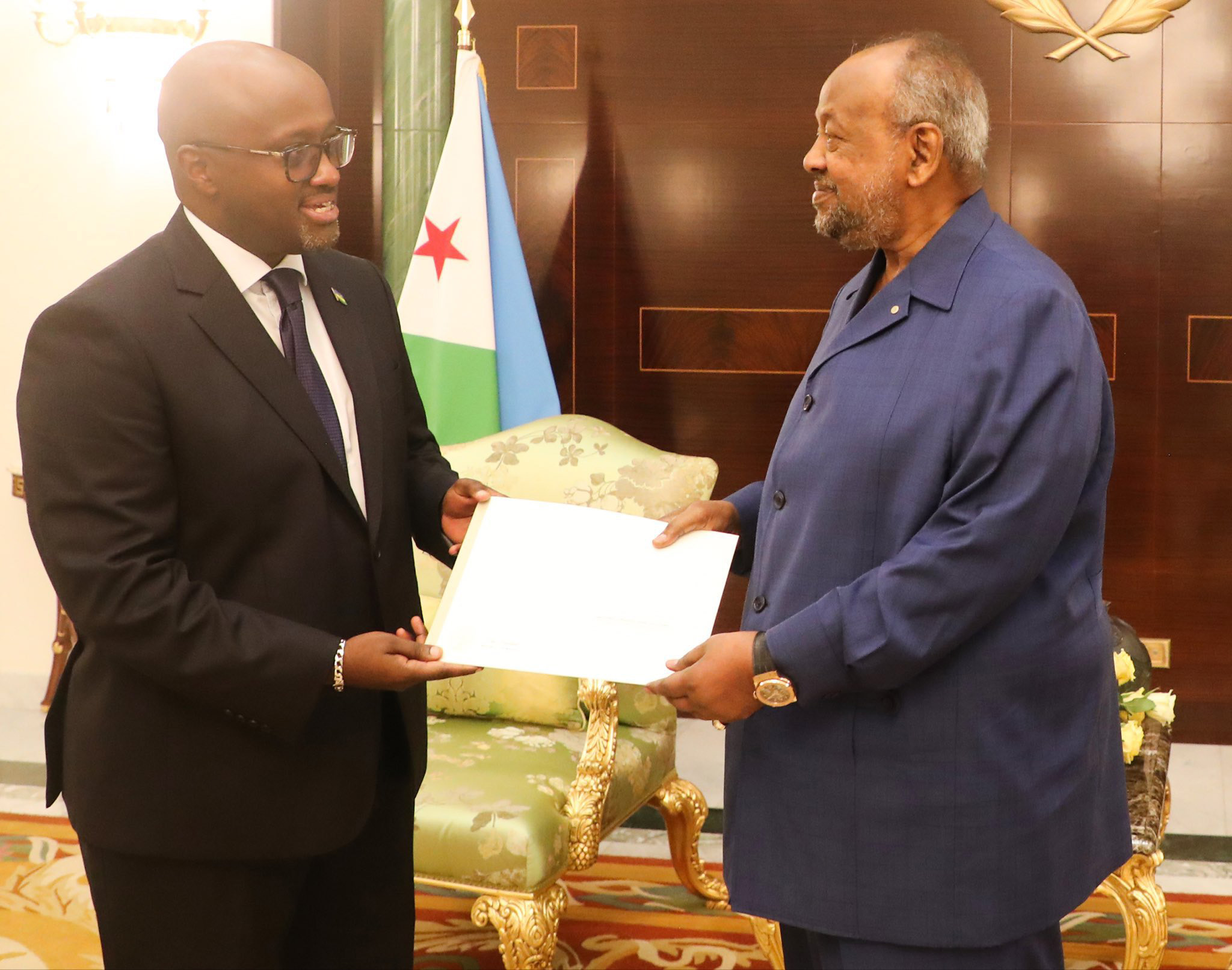
MINISTER NDUHUNGIREHE VISITS DJIBOUTI
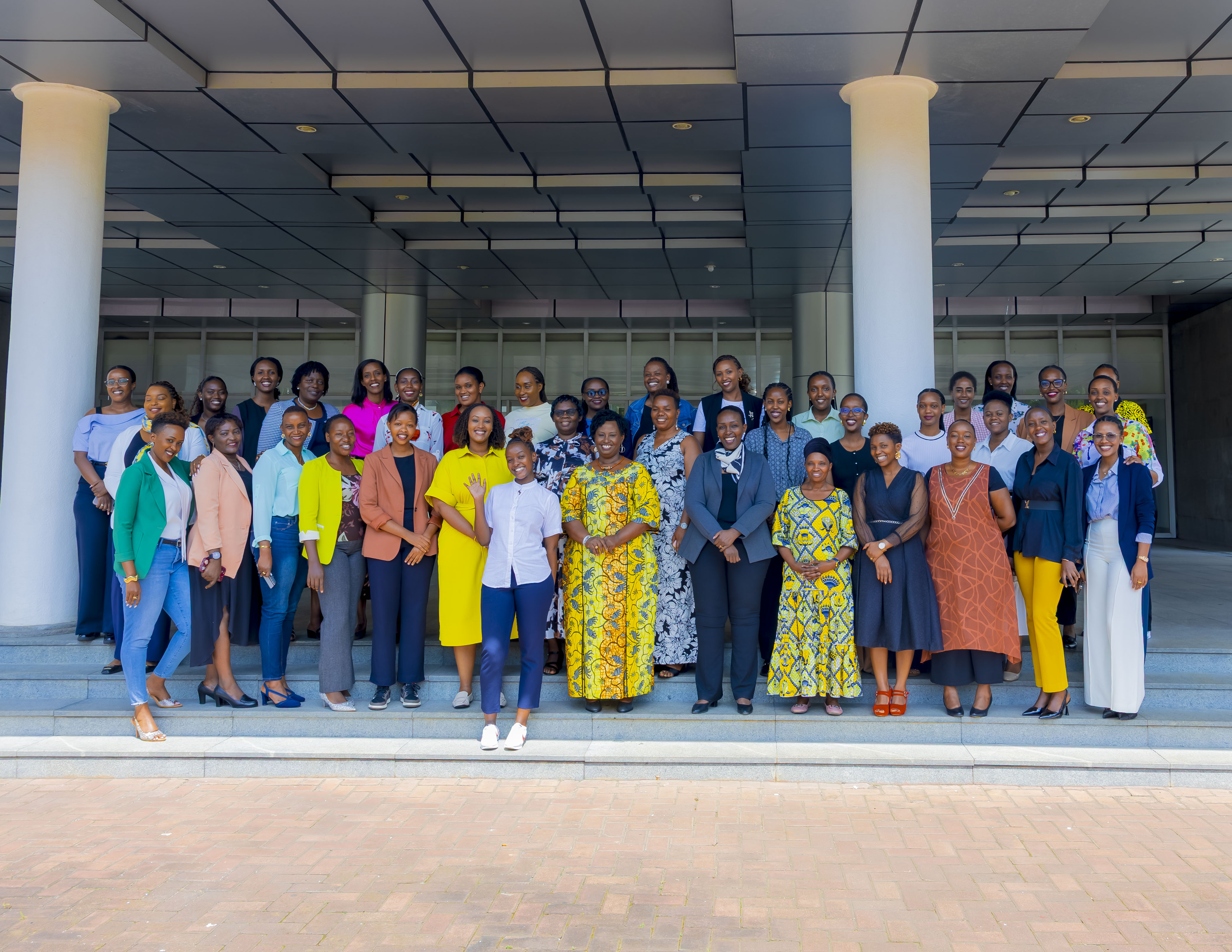
MINAFFET CELEBRATES INTERNATIONAL WOMEN’S DAY 2026
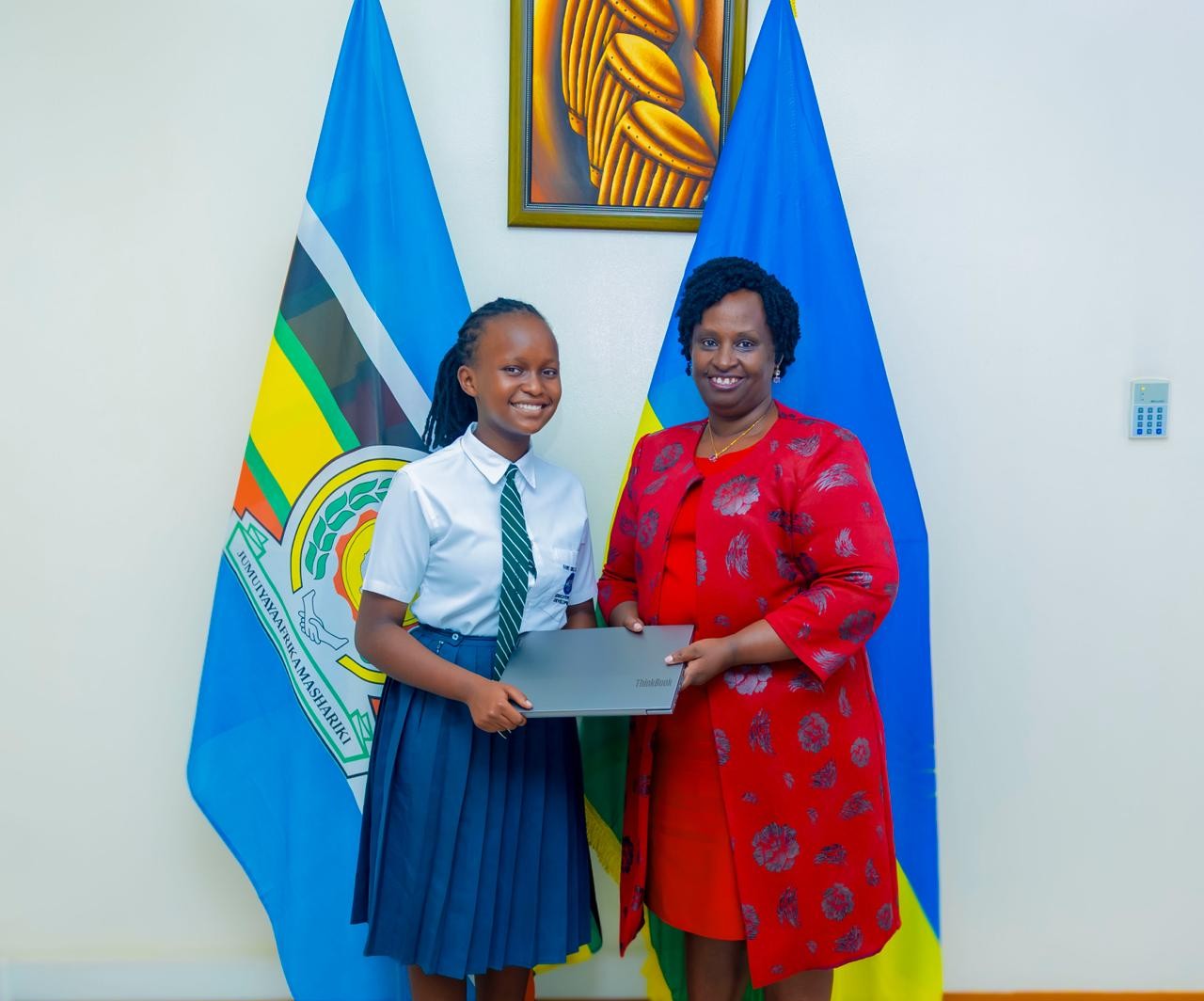
RWANDA AWARDS WINNER OF 2024 EAC ESSAY WRITING COMPETITION
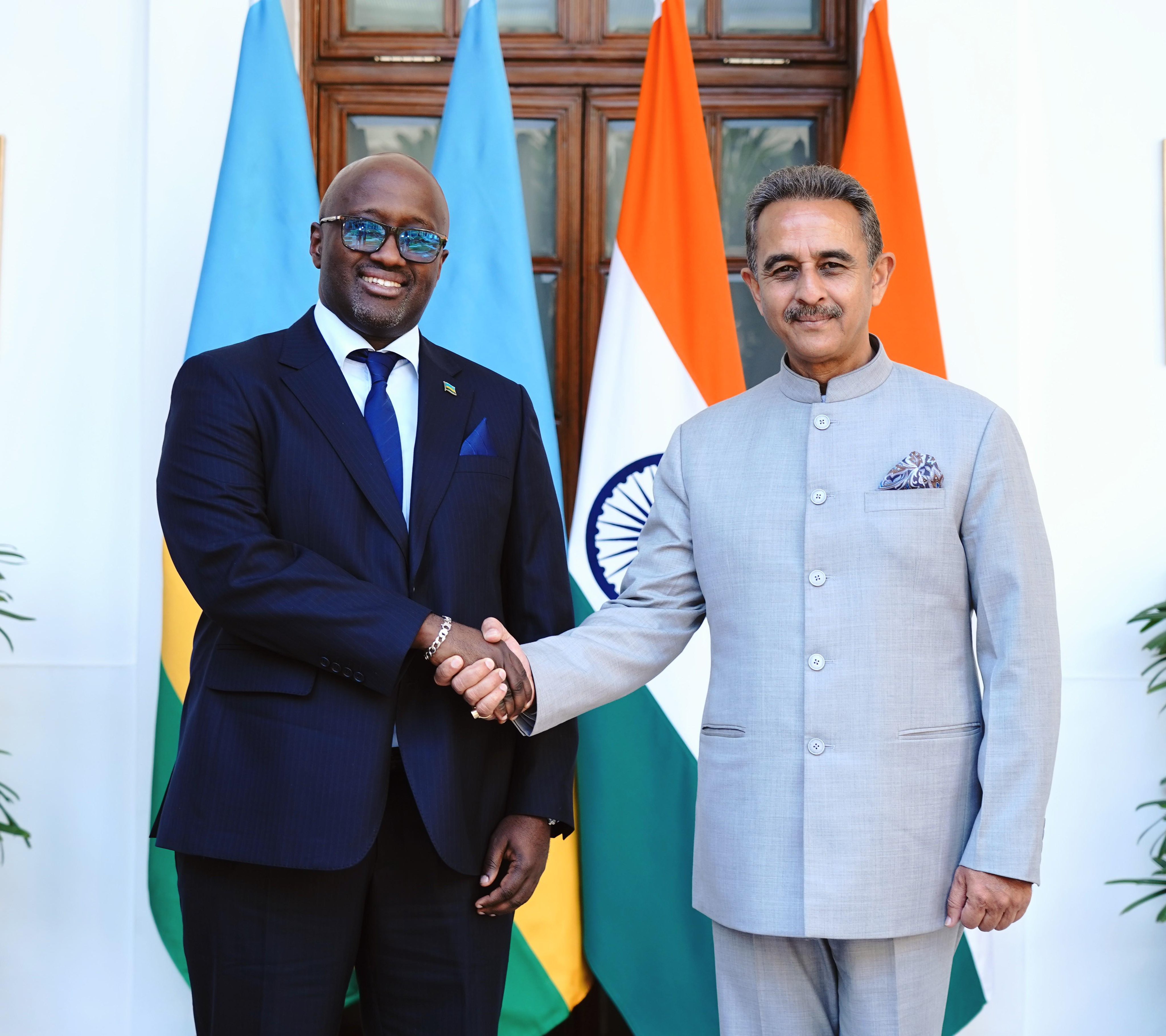
Rwanda and India sign memorandum of understanding on cultural exchange

Minister of State Dr. Usta Kaitesi attends EAC High-Level Multi-Sectoral Dialogue

Minister Nduhungirehe participates in official opening of Danish Embassy in Kigali

Minister Nduhungirehe attends the 48th Ordinary Session of the AU Executive Council